Thursday, 27 September 2012

The Kirstenbosch project

This is a collection of my excursion through Kirstenbosch Gardens in Western Cape, South Africa.
This flower belongs to the Protea family, which is chiefly native to South Africa. This specific species belonging to the genus Leucospermum and was found in Kirstenbosch Gardens tucked away in the beautiful mountains of Cape Town. The picture however was slightly manipulated in terms of the background. 
The carpenter bee. This species of bee is very common in the Western Cape. These bees play a major role in the pollination of indegenous species of flowers and are therefore extremely valuable to the survival of our flower population. 

This magnificent species belongs to one of the most beautiful varieties within its family and is referred to as Pelargonium betulinum. This species can be found on South Western and Southern Cape Coastal Dunes and flowers from August through November and into January.

This flower is referred to as the Bitterbos, which in English means "bitter bush" and flowers from August through December into February.


This species is referred to as Leucospermum Cordifolium. A species of the protea family and is found on rocky sandstone slopes in extreme South Western Cape.

Leucospermum Cordifolium


Thursday, 20 September 2012

A few new images

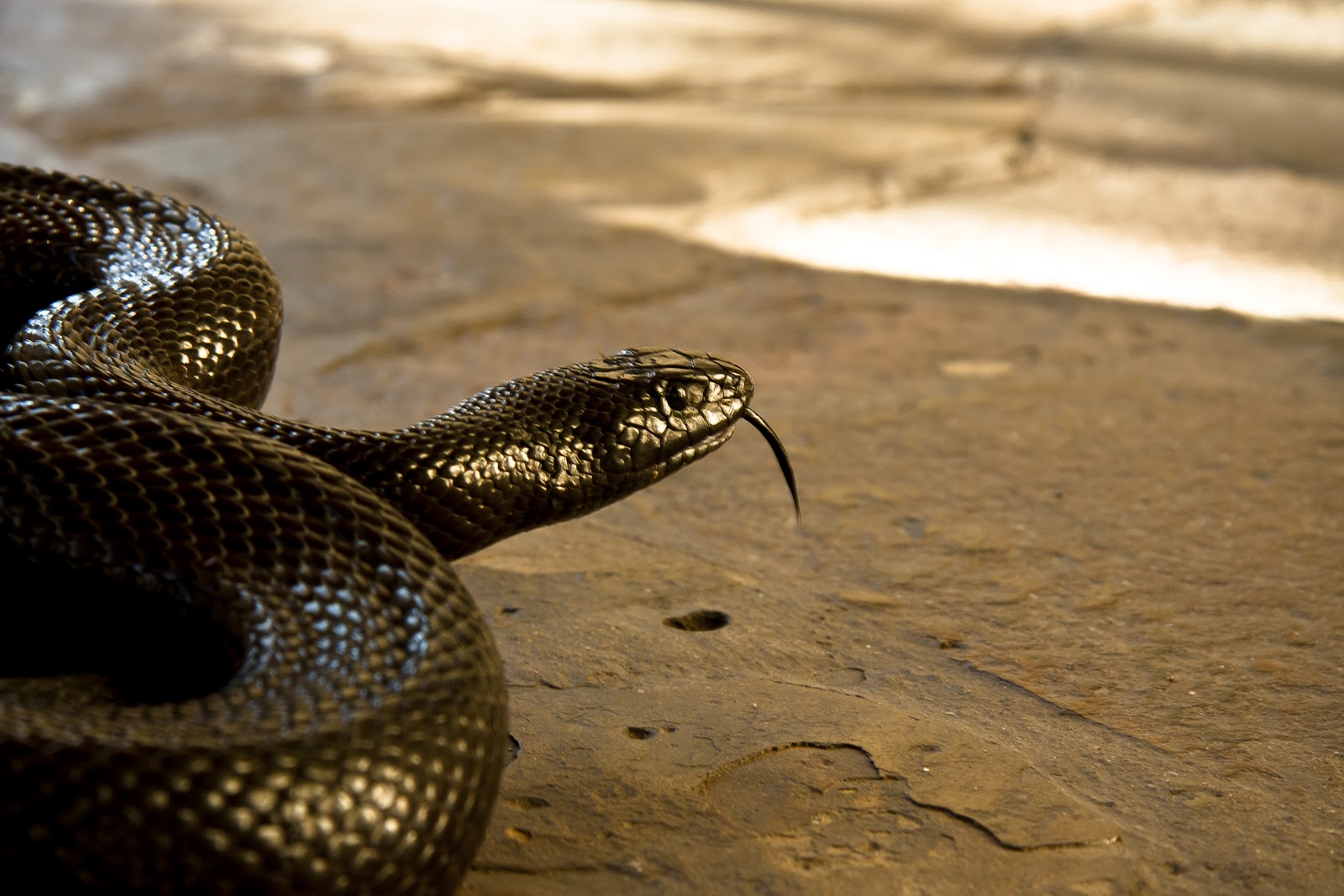
The Mole snake is a common species throughout Southern Africa. This species kills prey by means of constriction, suffocating prey and eventually swallowing it whole. 

Old horse stable. This shot was taken in Calvinia in Northern Cape South Africa. These stables are no longer used, but provide for a good idea of the old "Farm style" living which, was lead by most people in South Africa. 


Mole snake.

Mole snake

This shot was taken for the textures which the snake offers. Notice the upper section of the body in contrast to the lower section.

Old Dams Northern cape.

Monday, 13 August 2012

A few new favourites from my walk through the mountain recently.


The Slug- Eater. This is a common species found in the more moist regions of the Western Cape. This is a specialized feeder as they prey only on slugs and snails.


Daisy love with a bit of  manipulation. 

This grasshopper was well camouflaged between the grass. This species adapts this camouflage to avoid being eaten by potential predators.


Monday, 30 July 2012

A few new pics during my recent travels.

Up the tree.


This species is referred to as The Crane Flower as it supposedly resembles South Africa's national bird (bird of paradise), "The Blue Crane" and is therefore commonly known as "the bird of paradise flower."

Crane Flower

Crane Flower.


Weaver Bird nest. Weaver birds often construct nests such as these. The males are a bright yellow in colour, where as females are brown. The bright colours of the male is a symbol of health and strong genes, which attracts females to mate.

Thursday, 5 July 2012

My best from Newlands Forest and Rhodes Memorial Cape Town


Protea Nitida. This species flowers throughout the year. Note the African bees assisting in the pollination of the flower.

Protea Nitida

This is a species referred to as Gladiolus Maculatus. Flowering March to July and found mainly in clay slopes in Renosertveld in the South western and Eastern Cape.

This beautiful specimen is referred to by its scientific name as Gladiolus Priorii. This species flowers from April to June and is found on sandstone and granite slopes in the South Western Cape.

This species is referred to as the hairy legged or Web Spider. They often dwell on branches and feed off unheralded prey such as grasshoppers.

This wild mushroom is growing out of a pine cone. Fungus are known to help in the decomposition process. This is a good depiction of decomposition. 

Garden Orb web spider.

A simple canopy image from the tree surrounding me in Newlands Forest.

Friday, 22 June 2012

A few new images From my hike through Silvermine Nature area.


This image was taken while standing inside the waterfall at Silvermine. This fall is unique as it forms part of a large tributary running throughout the Silvermine nature area.

Lichens. These are types of prehistoric plants which take years to grow. They mainly grow on other trees and rock surfaces.

This species is referred to as The Table Mountain Cockroach. This species grows significantly larger than its urban dwelling cousin. It is found throughout the Table Mountain National Park area and often makes a hissing sound.

Wild mushrooms