Tuesday, 30 October 2012
A new generation is coming :)
Same Time Photo is an up and coming, soon to be be mainstream photographic platform in the pipelines. Hold onto your hat's because this team is coming at you pretty soon. Their services are unlimited in the photography field no matter what the project, they can do it. Blog address to be uploaded very soon. :)

Thursday, 25 October 2012
A few new images from a small hike i did from Hout Bay to Silvermine Nature area this month

This stunning specimen, is scientifically named as Watsonia tabularis. This species only flowers in late October until December. It bears purple, pink and scarlet colour flowers and is found mainly in the southern parts of the Western Cape.

The Black Girdled Lizard. This is a fast moving, completely black lizard, which are often found on rock faces where crevices are not far. This species feeds off small invertebrates such as grasshoppers. They can also be seen on warm summer days basking in the sun as a means to warm their cold blooded bodies.

This strange, yet beautiful specimen is referred to as The Cape Lappet Moth Caterpillar. These are often located in trees and found in clusters. These highly social caterpillars are larvae of the Cape Lappet Moth, Eutricha Capensis. Larvae congregate openly on tree trunks. They feed on Acacia, White Stink Wood, Bush willow and a number of other trees.

This shows The Carpenter Bee approaching a flower. Together, they share an intricate relationship in which the bee benefits by feeding off the rich nectar of the flower, while the flower becomes pollinated simultaneously.

This peculiar plant, almost paper -like in texture is known as the Everlasting. This is a common species which grows abundantly within the Silvermine area.

This image was taken on entry to The Silvermine Dam. This board walk allows for lush scenery right before your eyes. All types of wildlife can be viewed here, particularly, birds and flying insects.
Wednesday, 3 October 2012
The 50 best wildlife images 2011
Came across this collection just the other day. Truly inspirational stuff.
http://www.buzzfeed.com/mjs538/incredible-photos-of-animals-from-2011
http://www.buzzfeed.com/mjs538/incredible-photos-of-animals-from-2011
The Cape Rain Frog


Thursday, 27 September 2012
The Kirstenbosch project
This is a collection of my excursion through Kirstenbosch Gardens in Western Cape, South Africa.


This flower belongs to the Protea family, which is chiefly native to South Africa. This specific species belonging to the genus Leucospermum and was found in Kirstenbosch Gardens tucked away in the beautiful mountains of Cape Town. The picture however was slightly manipulated in terms of the background.

The carpenter bee. This species of bee is very common in the Western Cape. These bees play a major role in the pollination of indegenous species of flowers and are therefore extremely valuable to the survival of our flower population.

This magnificent species belongs to one of the most beautiful varieties within its family and is referred to as Pelargonium betulinum. This species can be found on South Western and Southern Cape Coastal Dunes and flowers from August through November and into January.

This flower is referred to as the Bitterbos, which in English means "bitter bush" and flowers from August through December into February.

This species is referred to as Leucospermum Cordifolium. A species of the protea family and is found on rocky sandstone slopes in extreme South Western Cape.

Leucospermum Cordifolium


Thursday, 20 September 2012
A few new images

The Mole snake is a common species throughout Southern Africa. This species kills prey by means of constriction, suffocating prey and eventually swallowing it whole.

Old horse stable. This shot was taken in Calvinia in Northern Cape South Africa. These stables are no longer used, but provide for a good idea of the old "Farm style" living which, was lead by most people in South Africa.


Mole snake.
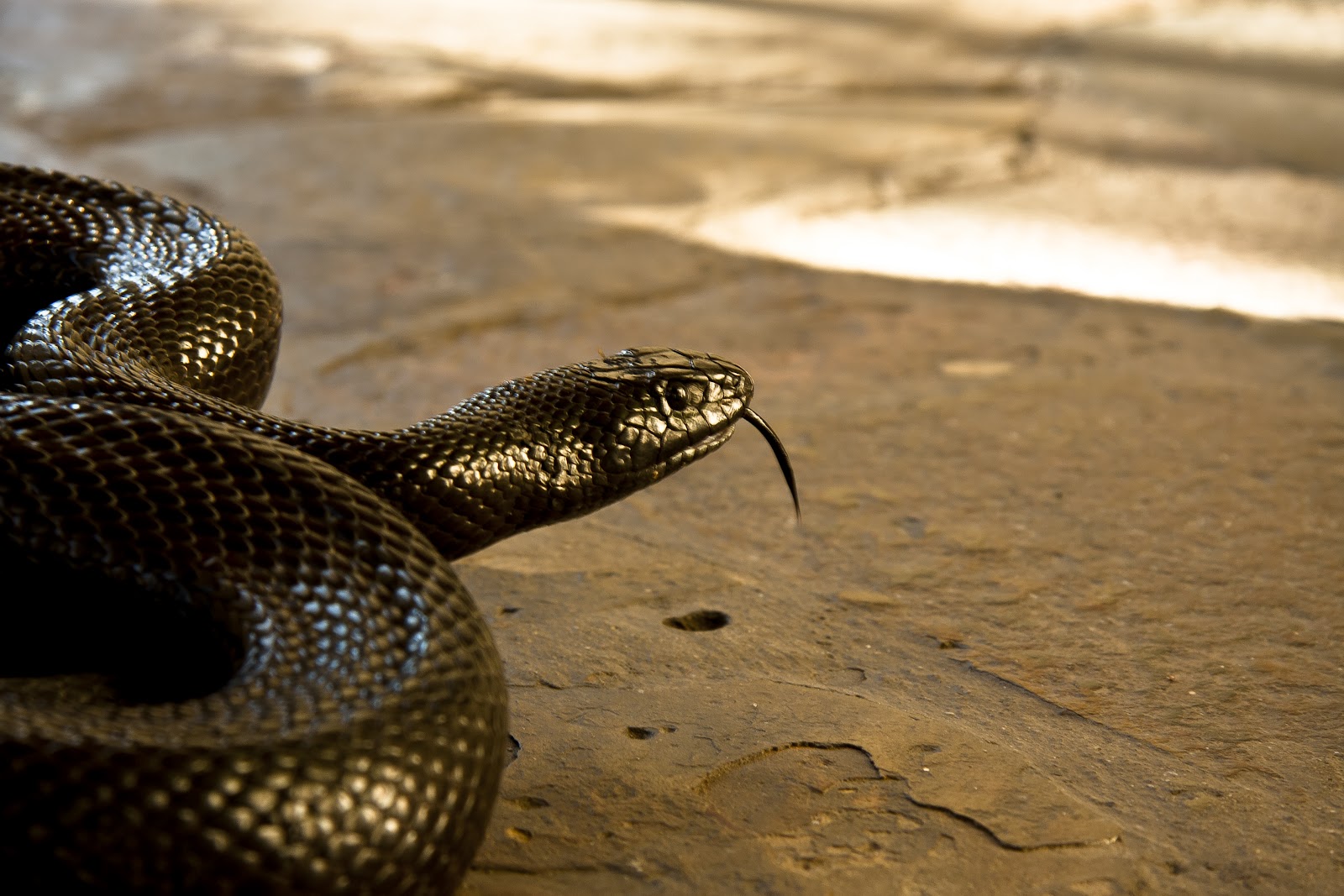
Mole snake

This shot was taken for the textures which the snake offers. Notice the upper section of the body in contrast to the lower section.

Old Dams Northern cape.
Monday, 13 August 2012
A few new favourites from my walk through the mountain recently.


The Slug- Eater. This is a common species found in the more moist regions of the Western Cape. This is a specialized feeder as they prey only on slugs and snails.


Daisy love with a bit of manipulation.

This grasshopper was well camouflaged between the grass. This species adapts this camouflage to avoid being eaten by potential predators.


Subscribe to:
Posts (Atom)